
Why Peonies Thrive in Idaho
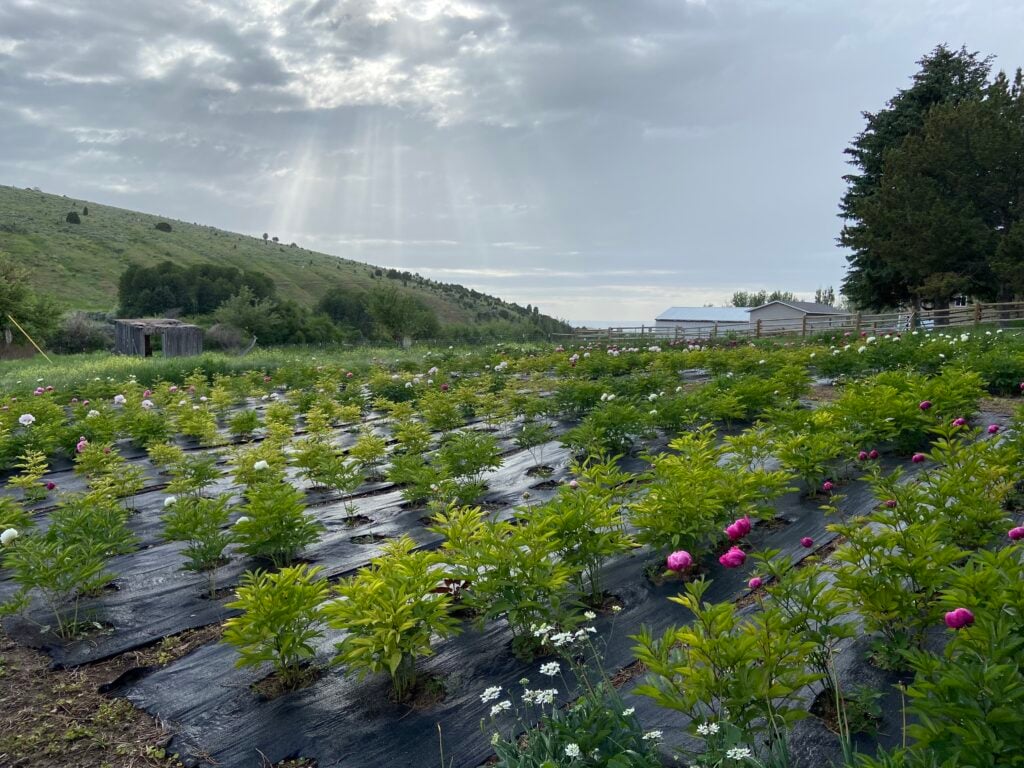
One of the biggest advantages of peony care in Idaho is our climate. Peonies require extended winter chilling hours to produce vigorous spring growth and abundant blooms. While gardeners in warmer regions struggle to provide enough cold exposure, Idaho winters naturally deliver exactly what peonies need.
Cool nights, abundant sunshine, and low humidity also help create stronger stems, richer colors, and exceptional flower quality.
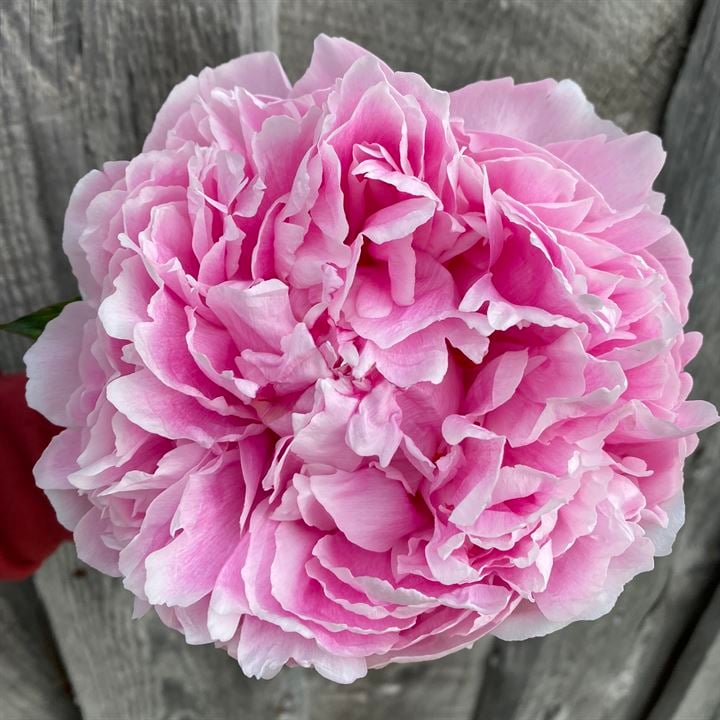
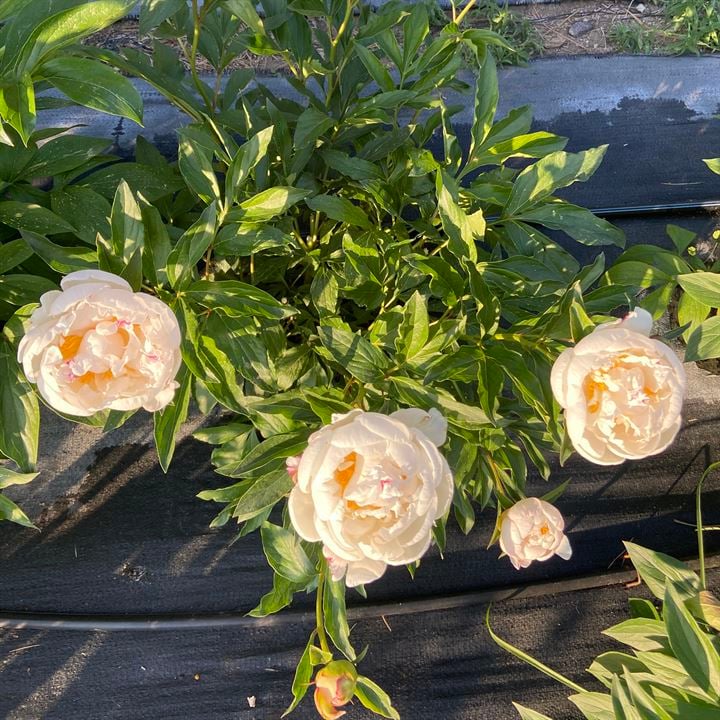
At Portneuf Valley Peonies, we’ve found that varieties like Sarah Bernhardt, Festiva Maxima, Duchess de Nemours, and Edulis Superba perform exceptionally well in Southeast Idaho conditions.
1. Planting for Long-Term Success
Peonies can live for 50 years or more when planted correctly. The first step in good peony care in Idaho is choosing the right spot.
Choose a location that receives:
At least 6–8 hours of direct sunlight daily
Good air circulation
Well-drained soil
Protection from standing winter moisture
Planting Depth Matters
This is the most common mistake gardeners make. The eyes (buds) on herbaceous peony roots should be planted only:
1–2 inches deep in colder Idaho locations
Never deeper than 2 inches
Planting too deeply often results in beautiful foliage but very few flowers.
Best Time to Plant
The ideal planting window in Idaho is September through October. This allows roots to establish before winter dormancy and sets the stage for a strong first bloom the following spring.
2. Watering Peonies the Right Way
Many gardeners unknowingly overwater peonies. For successful peony care in Idaho, focus on deep watering rather than frequent watering.
Recommended Watering Schedule
Deep Soak Method
Water slowly so moisture penetrates 8–12 inches into the soil. This encourages deep root development and helps plants withstand Idaho’s hot summer afternoons.
 IMAGE PLACEHOLDER
Alt text: Peony Care in Idaho deep watering method for healthy blooms
Caption: Demonstrating the deep soak watering technique for peony care in Idaho.
3. Understanding Idaho Soil Conditions
Most Southeast Idaho soils are naturally alkaline. While peonies tolerate slightly alkaline conditions, excessively high pH can limit nutrient availability and slow growth.
Proper soil preparation is one of the most important — and most overlooked — aspects of peony care in Idaho.
Ideal Soil Conditions
Improving Your Soil
Before planting:
Add well-aged compost
Conduct a soil test through University of Idaho Extension
Avoid excessive fresh manure
A little preparation now can improve bloom quality for decades.
4. Fertilizing Without Overdoing It
Peonies are surprisingly low-maintenance plants. Too much fertilizer often produces lush foliage with fewer flowers — the opposite of what most gardeners want.
Best Fertilizer Timing
Apply fertilizer at two key moments in your peony care in Idaho routine:
Early spring when shoots emerge
Immediately after flowering
What to Use
Choose a balanced fertilizer such as 5-10-10 or 10-10-10. Avoid high-nitrogen lawn fertilizers near peony beds, as excess nitrogen encourages foliage at the expense of flowers.
5. Supporting Heavy Blooms
Large double-flowered varieties often benefit from support. Popular varieties like Sarah Bernhardt, Duchess de Nemours, and Festiva Maxima can produce blooms large enough to bend stems during wind or rain.
Support Options
Peony rings
Decorative cages
Discreet staking systems
Install supports early in spring before stems become tall. Once stems are established, supports become difficult to place without damaging growth.