


When to Cut Back Peonies: 10 Fall Steps for Healthier Blooms
By Melissa Warner, Portneuf Valley Peonies — Pocatello, Idaho | October 2026
If you are wondering when to cut back peonies, the short answer is simple: wait until the foliage has naturally turned yellow or brown and the plant has gone dormant, usually after a hard frost.
Then you can cut herbaceous peony stems close to the ground, clean up the fallen foliage, and let your plants settle in for winter.
Simple enough, right? Mostly.
The part that gets gardeners into trouble is cutting too early. Peony leaves can look tired by the end of summer. Some turn yellow around the edges. Others develop spots. And once the flowers have been gone for months, it’s tempting to grab the pruners and tidy everything up.
Don’t rush it. Healthy green foliage is still working.
Here at Portneuf Valley Peonies in Pocatello, fall cleanup is one of those small garden jobs that can make a meaningful difference. The trick isn’t complicated pruning. It’s knowing when to leave your peonies alone and when it’s finally time to cut. This guide covers the timing, the ten easy steps, and the peony fall care that goes with them. For the bigger picture, see our complete peony care guide.
Table of Contents
When to Cut Back Peonies: Watch the Plant, Not the Calendar
Peonies After the First Frost: Why Waiting Pays Off
The One Reason to Cut Peonies Back Early
How to Cut Back Peonies in 10 Easy Steps
Herbaceous, Itoh, or Tree Peony? Know Before You Cut
Peony Fall Care: What Else to Do Before Winter
Five Common Fall Peony Pruning Mistakes
Frequently Asked Questions About When to Cut Back Peonies
When to Cut Back Peonies: Your Fall Checklist
Healthy Peonies Start With Fall Care

When to Cut Back Peonies: Watch the Plant, Not the Calendar
The best rule for when to cut back peonies is to watch the plant rather than the calendar.
For herbaceous peonies, wait until the foliage begins dying back naturally. In colder climates, a hard frost often provides the final signal that the growing season is over.
For gardeners here in the Portneuf Valley, October is often a good month to start checking the peony beds. But October isn’t a deadline. One year, frost may arrive early. Another year, your plants may stay green longer. Extension guidance from other cold-winter states points the same way: Iowa State University Extension recommends cutting peonies back after a hard freeze has killed the foliage, which in Iowa usually means late October or early November, and notes that plants cut back in late summer may bloom less than those cut in fall.
If your peonies are still healthy and green, let them be. You’re ready to cut when you see:
Leaves turning yellow, brown, or gray
Stems beginning to collapse
Frost-damaged foliage
Little or no healthy green growth remaining
The plant clearly entering dormancy
Farm Tip Green means wait. Brown means it’s probably time. Your peonies are much better at reading the seasons than your calendar is. |
Peonies After the First Frost: Why Waiting Pays Off
The flowers are finished. But the plant isn’t.
After blooming, peony foliage continues collecting sunlight through photosynthesis. The plant uses that energy to strengthen its root system and prepare for dormancy and next year’s growth.
Think of late summer and early fall as your peony’s savings season. The flowers spent a lot of energy putting on their spring show. Now those leaves are helping put something back in the bank.
Penn State Extension advises leaving as much healthy green foliage standing as possible so peonies can keep photosynthesizing late into the season. So yes, your peony bed may look a little untidy for a while. That’s okay. A little autumn mess can be good for your peonies.
Once the plant has naturally gone dormant, pruning peonies in fall won’t interrupt that important energy-storage process. That’s why timing matters more than technique: knowing when to cut back peonies protects next spring’s blooms.
The One Reason to Cut Peonies Back Early
There is one important exception: disease.
You don’t need to wait for frost if portions of your peony are heavily diseased. Before doing your regular fall cleanup, look for:
Brown, reddish, or purple leaf spots
Black or brown streaks on stems
White powdery growth
Blackened flower buds or stems
Severely curled or discolored foliage
Gray fungal growth on damaged plant tissue
Peonies can be affected by fungal diseases such as Botrytis blight, leaf blotch, and powdery mildew, and some of these pathogens survive on infected plant debris. Penn State Extension points out that several peony diseases overwinter in plant debris, which is why trimming and removing the foliage in fall helps reduce disease pressure next season.
If a portion of your peony is heavily diseased, remove the affected material, gather fallen leaves around the plant, and clean your tools before moving to another peony.
What About the Compost Pile?
We recommend keeping visibly diseased peony foliage out of your regular home compost. Home compost piles don’t always reach temperatures high enough to destroy plant pathogens.
Bag diseased material and dispose of it according to your local waste guidelines instead. The goal is simple: don’t give this year’s disease a comfortable place to wait for next year’s peonies.
How to Cut Back Peonies in 10 Easy Steps
Once you’ve decided when to cut back peonies, the actual job is easy. You’ll need clean hand pruners or garden shears, gardening gloves, and a bag or container for debris. No complicated equipment required.
Step 1: Wait for Dormancy
This step answers when to cut back peonies: begin after the foliage has yellowed or browned and the plant has gone dormant, typically after a hard frost. Do not cut healthy green foliage simply because the flowers are gone.
Step 2: Identify the Type of Peony
Before cutting, make sure you know whether you have an herbaceous, Itoh, or tree peony. Not every peony should be cut to the ground.
Step 3: Inspect the Plant for Disease
Look for leaf spots, powdery growth, blackened stems, unusual discoloration, or other signs of disease. This helps you decide how carefully the debris needs to be handled.
Step 4: Start With Clean, Sharp Pruners
Sharp pruners make cleaner cuts. Clean tools also reduce the risk of moving disease from one plant to another, so disinfect your tools between plants when disease is present.
Step 5: Cut Herbaceous Peonies Close to the Ground
Cut each herbaceous peony stem approximately 1-2 inches above the soil surface. Do not dig into the soil or cut into the crown.

Step 6: Gather Every Fallen Leaf and Stem
Pick up leaves, pieces of stem, weeds, and other peony debris around the plant. Fall sanitation is especially important when fungal issues showed up during the growing season.
Step 7: Dispose of Diseased Material Carefully
Bag any visibly diseased foliage and dispose of it according to local waste guidelines rather than adding it to a home compost pile.
Step 8: Check the Crown and Drainage
Take a quick look around the crown without disturbing the roots. Remove weeds and make sure water is not pooling around the plant as winter approaches.
Step 9: Mark the Plant’s Location
Once an herbaceous peony is cut nearly to ground level, it can disappear into the bed. A small marker can prevent accidental digging or planting over the crown in spring.
Step 10: Clean Your Tools and Let the Peony Rest
Disinfect and dry your pruners before storing them. Then leave the plant alone. Your peony has earned its winter vacation, and new growth will return from the crown in spring.
Herbaceous, Itoh, or Tree Peony? Know Before You Cut
Before you start pruning peonies in fall, make sure you know what kind you’re growing. This matters. The type you grow changes both when to cut back peonies and how far down to cut.
Herbaceous Peonies
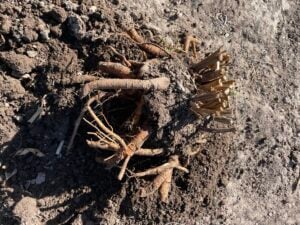
These are the classic garden peonies most people know. They die completely back to the ground each winter and return from their underground crown in spring. After dormancy, cut them approximately 1-2 inches above the soil.
Itoh Peonies
Itoh, or intersectional, peonies are hybrids between herbaceous and tree peonies. Their foliage also dies back for winter, although some stems can feel surprisingly woody. After frost, remove dead foliage and stems close to ground level while being careful not to damage the crown or viable buds near the base.
Tree Peonies
Do not cut tree peonies to the ground. Tree peonies develop permanent woody stems that remain above ground from year to year. Remove dead, damaged, or diseased wood when appropriate while maintaining the plant’s woody structure.
Before You Cut Know your peony. Herbaceous and tree peonies do not receive the same fall pruning. |
Peony Fall Care: What Else to Do Before Winter
Go Easy on Fall Fertilizer
More fertilizer doesn’t automatically mean more flowers. Avoid giving peonies a heavy dose of nitrogen late in the growing season simply because you want bigger blooms next year. If you’re unsure what your garden actually needs, a soil test is far more useful than guessing.
Be Careful With Mulch
A light layer of loose mulch can sometimes help newly planted peonies in very cold conditions. But don’t pile heavy mulch directly over the crown. Peonies are particular about planting depth, and burying the crown beneath layer after layer of mulch can create problems.
Check Drainage
Is water collecting near the crown? Peonies appreciate well-drained soil, particularly as they head into cold weather. You don’t need to dig around the roots. Just make sure your garden isn’t creating a little swimming pool where your peony is trying to sleep.
Fall Can Also Be Division Time
Fall can be a good time to divide an established herbaceous peony when division is actually necessary. Give the roots several weeks to begin establishing before the ground freezes. But don’t divide peonies simply because they have been in one place a long time. Healthy peonies can live happily in the same location for decades.
Five Common Fall Peony Pruning Mistakes
Most mistakes come down to misjudging when to cut back peonies or which type of peony you’re growing. Here’s what to avoid.
Mistake #1: Cutting Healthy Foliage Right After Blooming
Deadheading and cutting back are two different things. After flowering, you can remove spent blooms, but leave the healthy leaves so the plant can keep storing energy. If you cut peonies for bouquets, our guide to choosing and cutting peonies at home shows how to do it without shortchanging the plant.
Mistake #2: Leaving Diseased Foliage on the Ground
If you’ve gone to the trouble of cutting the plant back, finish the job and pick up the debris too.
Mistake #3: Cutting Every Peony to the Ground
Herbaceous? Yes. Tree peony? No. Know what you’re growing before you cut.
Mistake #4: Burying the Crown Under Mulch
More isn’t always better. Keep heavy mulch away from the crown rather than creating a thick winter blanket directly over it.
Mistake #5: Assuming Brown Foliage Means Your Peony Is Dead
Fall dormancy is normal. Your peony isn’t disappearing forever. It’s regrouping. Under the soil, that root system is very much alive.
Frequently Asked Questions About When to Cut Back Peonies
When is the best time to cut back peonies in Idaho?
Here in Southeast Idaho, it’s often October, but let the plant decide. Cut herbaceous peonies once the foliage has yellowed or browned and the plant is dormant, usually after a hard frost.
Can I cut back peonies before the first frost?
If the foliage is still healthy and green, it’s usually better to wait. However, seriously diseased or damaged foliage can be removed earlier.
How short should I cut peonies?
For herbaceous peonies, approximately 1-2 inches above the soil works well. Avoid cutting or digging into the crown itself.
Should I cut back peonies immediately after they bloom?
No. You can deadhead the spent flowers, but keep the healthy foliage intact so the leaves can continue helping the plant store energy.
Can peony leaves go in the compost?
Healthy plant material may be suitable for a properly managed compost system, but keep visibly diseased peony foliage out of a typical home compost pile.
Do peonies need to be covered for winter?
Established peonies are remarkably cold-hardy. Newly planted peonies may sometimes benefit from light winter protection in particularly cold conditions, but avoid burying the crown beneath heavy mulch.
Should I divide my peonies in fall?
Only when it’s actually necessary. If you do divide, give the roots several weeks to establish before the ground freezes, and expect divided plants to take time to return to full flowering.
When to Cut Back Peonies: Your Fall Checklist
Wait until healthy foliage has yellowed or browned.
Let frost and dormancy be your guide instead of an exact date.
Identify whether you have an herbaceous, Itoh, or tree peony.
Inspect plants for signs of disease.
Use clean, sharp pruners.
Cut herbaceous peonies approximately 1-2 inches above the soil.
Remove fallen stems and leaves.
Keep diseased material out of your home compost.
Keep heavy mulch away from the crown.
Check that the planting area drains well.
Mark the location after pruning.
Clean and dry your tools before storage.
Divide established peonies only when necessary.
Then leave them alone until spring.
Healthy Peonies Start With Fall Care
Knowing when to cut back peonies makes fall garden cleanup much simpler.
Wait. Watch the foliage. Let the plant finish its work.
Then, once dormancy arrives, give your herbaceous peonies a clean start by cutting back the stems and removing old foliage from the garden.
Here at Portneuf Valley Peonies in Pocatello, Idaho, fall looks very different from bloom season. There aren’t armfuls of flowers heading out the door. There aren’t enormous buds waiting to open. Instead, there are plants getting quieter, leaves changing color, cooler mornings, and peonies preparing for another Idaho winter.
But that’s part of growing peonies too. The spectacular flowers we enjoy for a few weeks each year depend on what happens during all the quieter months in between.
That patience is the real answer to when to cut back peonies. Give your peonies a little attention this fall, then let winter do its work.
We’ll see them again in spring.